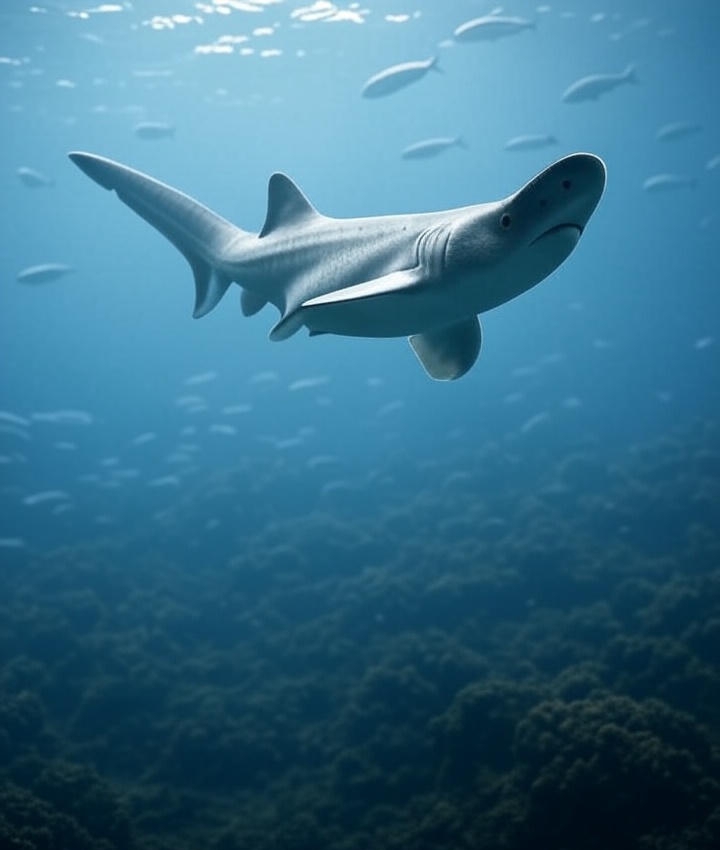
Underwater camera captures the rare angelshark.
A Surprise Sighting
Scientists got a big surprise. An underwater camera filmed a rare shark. It happened in the Irish Sea. The shark is an angelshark. This is the first sighting in Welsh waters since 2021. The Shark Trust shared the news. They called it incredibly exciting. The camera was baited. It sank to the bottom. It recorded for hours. The video showed the shark. It swam close. The footage is clear. It shows the shark's flat body. Angelsharks hide in sand. They wait for prey.Why It's Rare
Angelsharks are endangered. They are critically threatened. Overfishing hurt them. Pollution too. They live in shallow waters. This makes them easy to catch. The species is almost gone from many areas. Wales is one of them.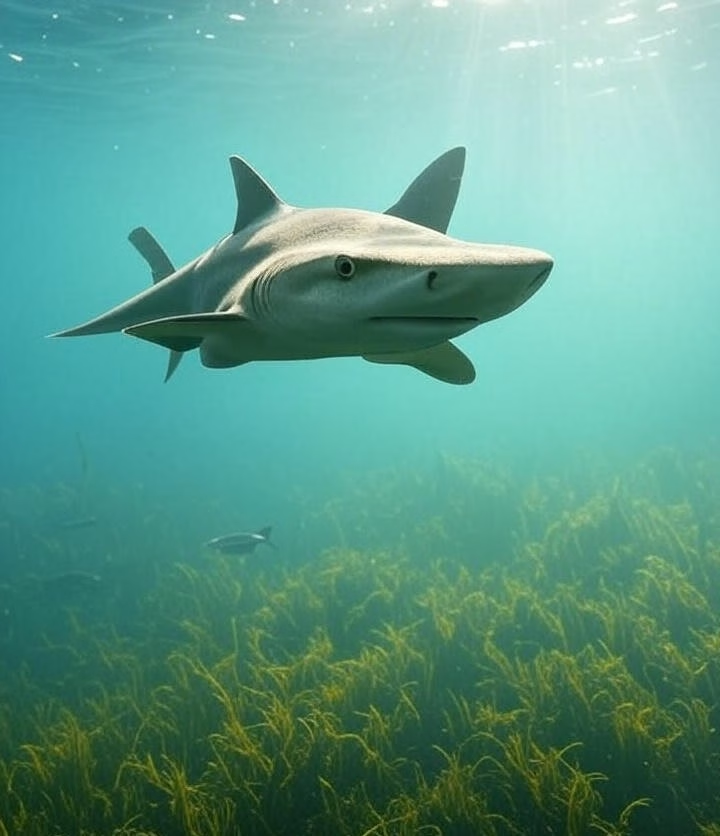
The angelshark hides in the sand.
The sighting gives hope. It shows some sharks remain. Scientists want to protect them. They need more data. The footage helps. It shows where they live.Scientists React
Experts are thrilled. Cat Gordon spoke. She is from the Shark Trust. She said it's exciting. The video is short. But it's important. It proves angelsharks are there. This can help conservation. Other scientists agree. They say it's a win. Rare sightings motivate work. They push for better laws. No fishing in key areas. Education for people. Everyone can help save sharks.
"Discovering the angelshark was incredibly exciting," said Cat Gordon.
The Camera Setup
The camera was simple. It had bait. Fish or squid. It sank deep. Lights were off. This avoids scaring animals. The video ran long. It captured natural behavior.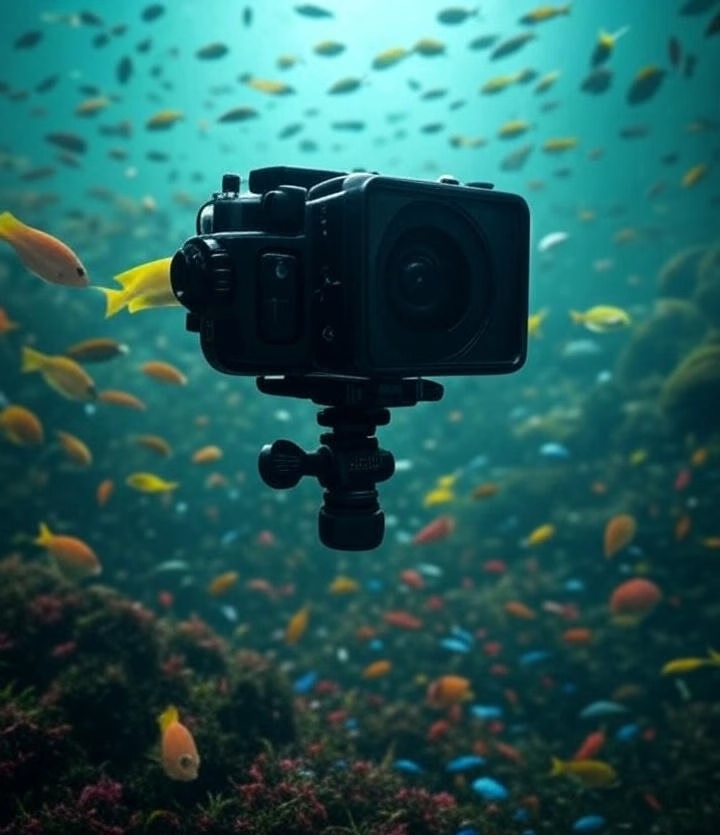
Baited camera used in the sea.
Teams use this method often. It works for rare animals. No need for divers. It's safe. It's cheap. The footage is real. It shows life under water.Angelshark Facts
Angelsharks are flat. They look like rays. But they are sharks. They have gills. They eat fish. They grab prey from sand. They grow to 2 meters. Females give birth to pups. They live in the Atlantic. From Norway to Morocco. But numbers drop. In Wales, they are rare. The sighting is special. It could mean more are hidden.Conservation Efforts
The Shark Trust leads. They run projects. They map shark habitats. They teach fishermen. Avoid catching them. Laws protect them in some places. More are needed.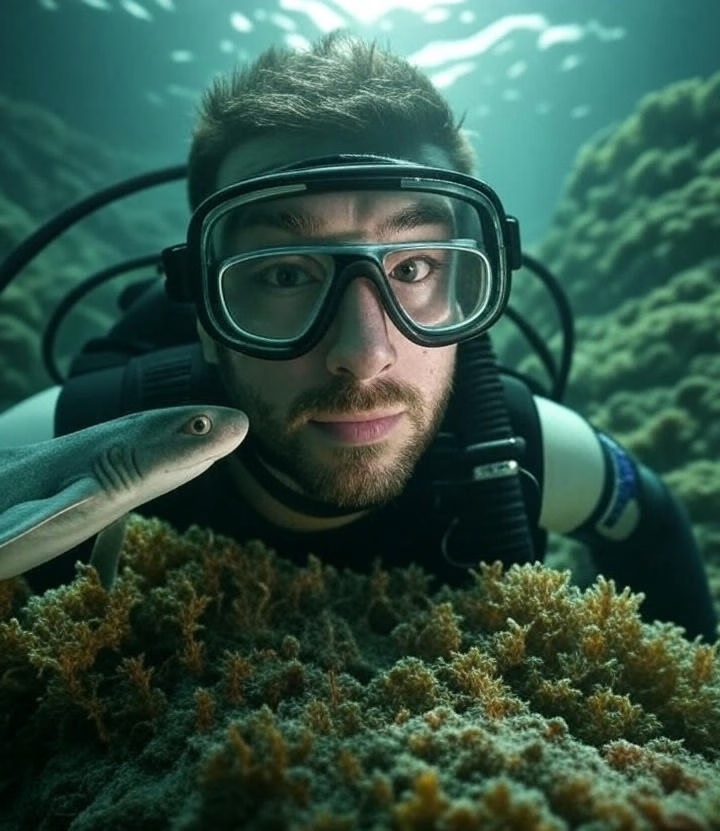
Scientists work to protect sharks.
People can help. Report sightings. Support groups. Avoid shark products. Small actions matter. The ocean needs balance. Sharks keep it healthy.Similar Discoveries
Other rare sharks appear. A sliteye shark in Chagos. It's exciting too. An odd-colored shark in Azores. Cameras capture them. Science advances with tech. A great white off Boynton Beach. Nurse shark filmed it. These moments thrill experts. They learn more. They protect better.
Sliteye shark in Indian Ocean. Great white in Florida.
Future Plans
More cameras will go down. Scientists want more footage. They plan surveys. In Welsh waters. They seek funding. They need help from governments. The goal is saving sharks. Education is key. Schools teach kids. Museums show exhibits. The public learns. Support grows.Why Sharks Matter
Sharks are top predators. They keep seas balanced. They eat weak fish. This helps stocks. Without sharks, oceans suffer. Algae grows too much. Fish die. Sharks inspire awe. They are old. Older than dinosaurs. They deserve respect. Protection saves them. It saves us too.Public Reaction
People love the news. Videos go viral. Comments show excitement. Some say "wow." Others want more. The story inspires. Media covers it. TV shows clips. Newspapers write articles. The shark becomes famous. Conservation gains fans.Call to Action
You can help. Join groups like Shark Trust. Donate. Share the story. Protect oceans. Small steps make big change. The discovery reminds us. Nature is full of wonders. We must save it. For future generations.
Report sightings. Support laws. Reduce plastic.